

Woodworking
Marine fabrication

Wood
Foam
Non-ferrous metals
Composite materials

Heavy, all-steel frame reconstruction
High-speed 3-axis motion-control system

Table sizes: 50” x 50” to 80” x 241”
Rapid traverse: 2,500 IPM
Repeatability: +/- 0.001”
Weight: 3,000 to 8,000 lbs.
Standard work surface

Our 3000 Series CNC router has a gentler touch than our high-power 7000 and 5000 Series. That’s what makes this series effective for cutting foam, composite materials, and marine fabrication. Up to 13 horsepower means it still has all the power you need to cut quickly and efficiently.
A high cut speed of 1,400 IPM and rapid traverse of 2,500 means no time is wasted when the 3000 Series cuts and moves. And you still get consistently high accuracy with each cut because the 3000 Series CNC router comes with a repeatability of 1/1000th of an inch!
The smaller table size means it fits well in compact production areas. A lower weight of up to 4 tons max also means the 3000 Series CNC router is easier to move around your facility. At the same time, you still have a durable all-steel frame, so you don’t have to worry about damage happening.
The 3000 Series comes loaded with a number of customizable options so you can have it match the needs of your production facility. That includes coolant mist systems so you can keep your cutting clear and cool. And you can also add a 12-position automatic tool changer so you can make any cut on the fly without any manual intervention.
Application Area
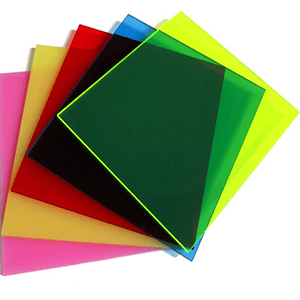

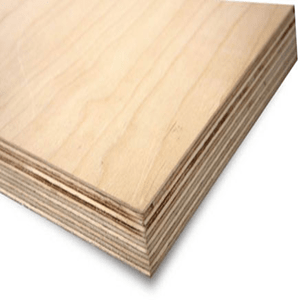


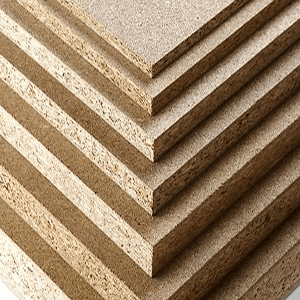
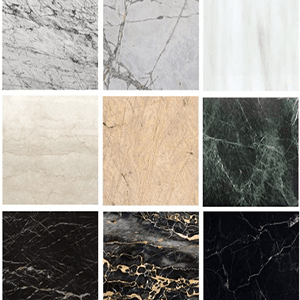

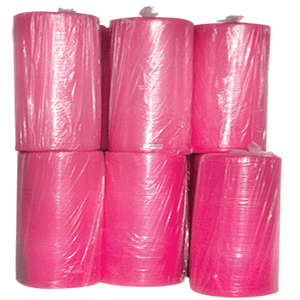

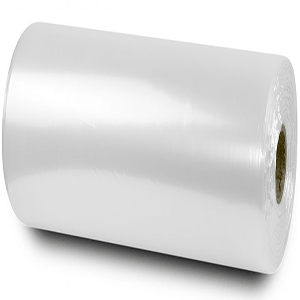

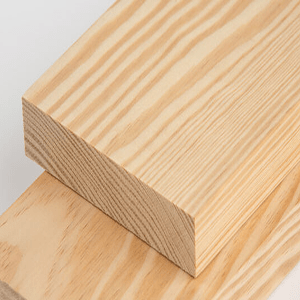
UGURBOCEGIM WOOD INDUSTRY AND PRODUCTION
Mature trees are harvested from pine plantations and also from native forests. Trees harvested at a younger age can produce smaller logs, which can be turned into lower value products. Factors such as the site and climatic conditions, the species, the growth rate, and silviculture can affect the size of a mature tree.
The native hardwood sawmilling industry originally consisted of small family-owned mills, but this has recently changed to include a small number of larger mills. The mills produce large volumes of standard products, and aim to ensure a “standard quality of product, efficiently and safely, at low cost, with rapid production time and high output
Once the timber has manipulated in the required fashion, it can be used for its purpose. There are many different purposes for wood including: plywood, veneer, pulp, paper, particleboard, pallets, craft items, toys, instrument-making, furniture production, packing cases, wine barrels, cardboard, firewood, garden mulch, fibre adhesives, packaging and pet litter. Western Australia has a unique substance called ‘bio-char’, which is made from jarrah and pine. Bio-char can be used in the manufacture of silicone and as a soil additive. Example of toys made of wood Product.
Softwoods, such as the Australian eucalyptus, are highly valued, and are used mainly for construction, paper making, and cladding. The term “roundwood” describes all the wood that is removed from forests in log form and used for purposes other than fuel.
Originally, “trees were felled from native forests using axes and hand-held cross-cut saws”. This was a slow process involving manual labour. Nowadays, harvesting is done by a small team of contractors, who are aided by various pieces of machinery. Sawmills were traditionally located within forests, so logs had to be transported over long distances and rough terrain to reach their destination. Soon, waterways were used to transport the logs. Later on, logs were transported via tramlines, “first by steam-powered log haulers then by steam-powered locomotives, and finally diesel and petrol-powered locomotives”. Even in the modern era, timber is dried in kilns. The first steam railway in Australia opened in Melbourne in 1854. This dramatically changed the nature of timber transportation and made it possible for the sawmilling industry to move inland away from the coast, due to transportation being made quicker and cheape